SKIP TO MAIN CONTENT

911INFORMATION

Emergency guidance for residents, visitors, businesses, and nursing-facility staff.

If it may be life-threatening,call 911

Describe what is happening and follow the dispatcher’s instructions. You do not need to decide whether fire, EMS, or rescue should respond, and you should not delay emergency care while looking for paperwork or approval.

Before the emergency

Put these basics in place

  • Make the street address visible and keep driveways, gates, entrances, and fire lanes clear
  • Keep current medicines, allergies, medical history, emergency contacts, and care wishes where responders can find them
  • Test smoke and carbon-monoxide alarms, plan two ways out, and choose an outdoor meeting place
  • Plan who will help children, older adults, people with disabilities, pets, and anyone who may need extra assistance

During the emergency

Stay on the line unless the dispatcher tells you to hang up. Conditions can change quickly, and instructions may begin before crews arrive.

Medical Emergency

  • Someone is unconscious, not breathing normally, or has severe chest pain
  • There are signs of stroke, including sudden weakness, facial droop, confusion, or trouble speaking
  • A serious injury, overdose, poisoning, or uncontrolled bleeding has occurred
  • You are unsure whether a medical situation may be life-threatening

Fire or Rescue Emergency

  • There is fire, smoke, a suspected gas leak, or another immediate hazard
  • Someone is trapped or cannot safely leave a dangerous scene
  • Someone needs help after a crash or fall, in a water emergency, or in another situation requiring rescue.
  • There is an immediate threat to people, property, or the environment

On the 911 call

Answer as clearly as you can. Questions do not delay the response; information is relayed while help is being sent.

  • The exact address, location, room, floor, entrance, or nearby landmark
  • Tell the dispatcher where you are and whether you are safe
  • The phone number you are calling from and the best way to reach you
  • What happened, how many people need help, and whether danger is still present
  • Whether the person is alert, breathing normally, has a pulse, has significant blood loss, or has pale, blue, gray, or mottled skin

Do not enter a hazardous area or put yourself at risk. Follow the dispatcher’s instructions about helping or moving an injured person.
Nursing homes & care facilities

When to call 911

  • No pulse, not breathing normally, unresponsive, or difficult to wake
  • Severe trouble breathing, chest pain, or stroke signs
  • Uncontrolled bleeding, major injury, head injury, or suspected fracture
  • Severe burn, poisoning or overdose, first or unusually long seizure, or any sudden unstable condition

When not to call 911

  • Mild illness: sore throat, cough, low fever, earache, mild nausea, or urinary symptoms
  • Minor injury: sprain, strain, small cut with controlled bleeding, or mild burn
  • For stable same-day needs, contact the primary or on-call clinician or urgent care. If severe, worsening, or uncertain, call 911

What to tell 911

  • Call-back number, address, room number, door code if needed, and best entrance
  • Briefly explain what is happening now
  • Whether the patient is alert, breathing, has a pulse, or is bleeding

What to do before crews arrive

  • Get paperwork: blood thinner use, code status, and the patient’s baseline mental status (how they normally think, communicate, and respond)
  • Stay with the patient, continue care, and watch for changes
  • If additional people are available or access is needed, have someone meet and escort crews

What to expect on scene

The scene may look busy because crews divide work among assessment, treatment, hazard control, rescue, command, and transport. One responder may ask questions while others begin care.

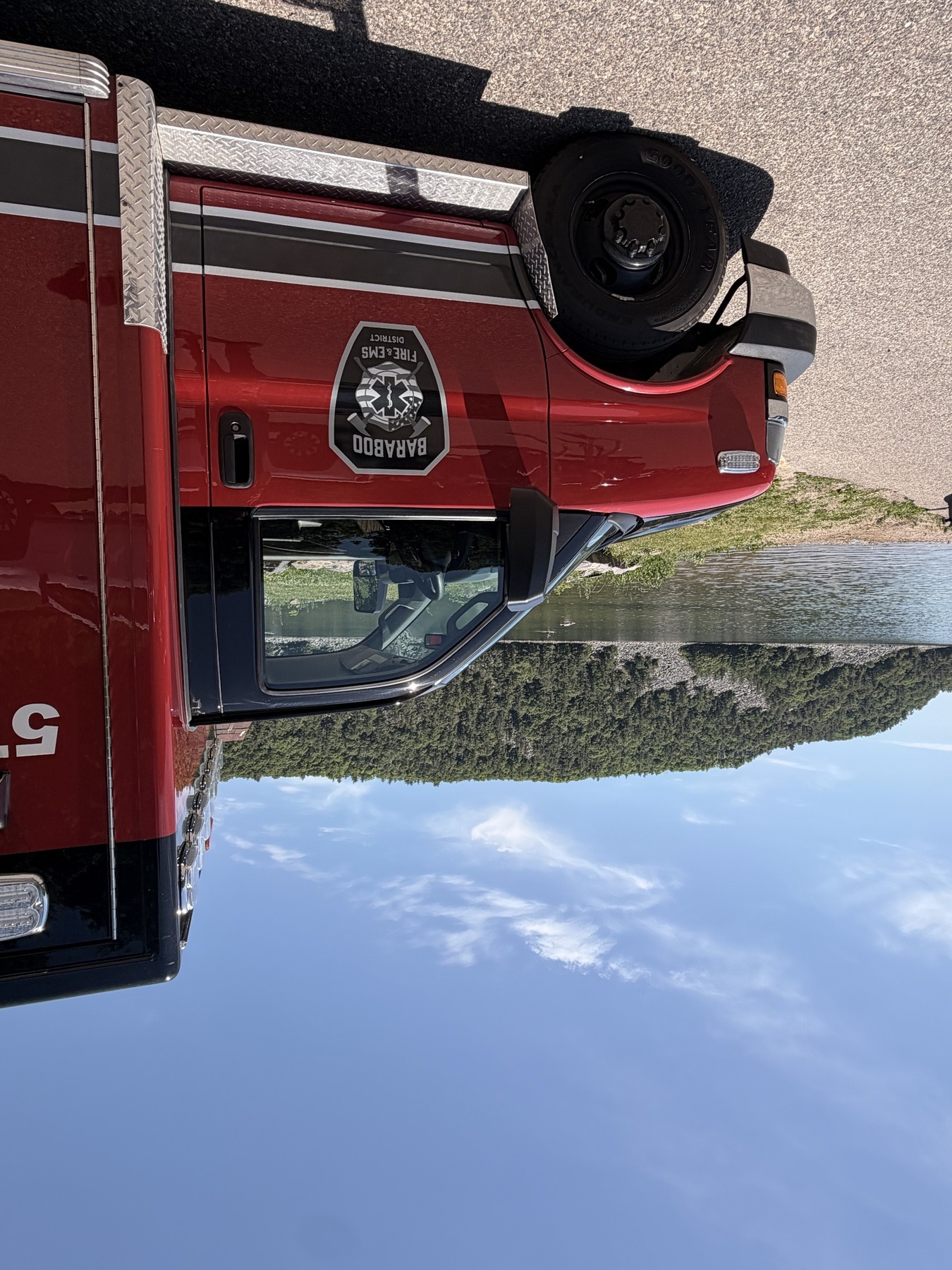
Baraboo Area Fire and EMS District paramedic ambulance staged at Devil’s Lake.

EMS Care

Paramedics may check vital signs, blood sugar, heart rhythm, breathing, strength, and symptoms while asking focused questions.

A 12-lead ECG records the heart’s electrical activity using adhesive patches placed on the chest and limbs. The test is painless and does not deliver a shock. Crews expose only the skin needed to place the patches and protect the patient’s privacy whenever conditions allow.

Possible interventions may include: IV access for fluids or medicine, oxygen, airway support, medications, bleeding control, splinting, or other time-sensitive treatment. An IV uses a small flexible catheter; the needle is removed after placement.

Crews consider the patient’s condition, needed care, travel time, and hospital availability when choosing a destination. A requested hospital cannot always be guaranteed.

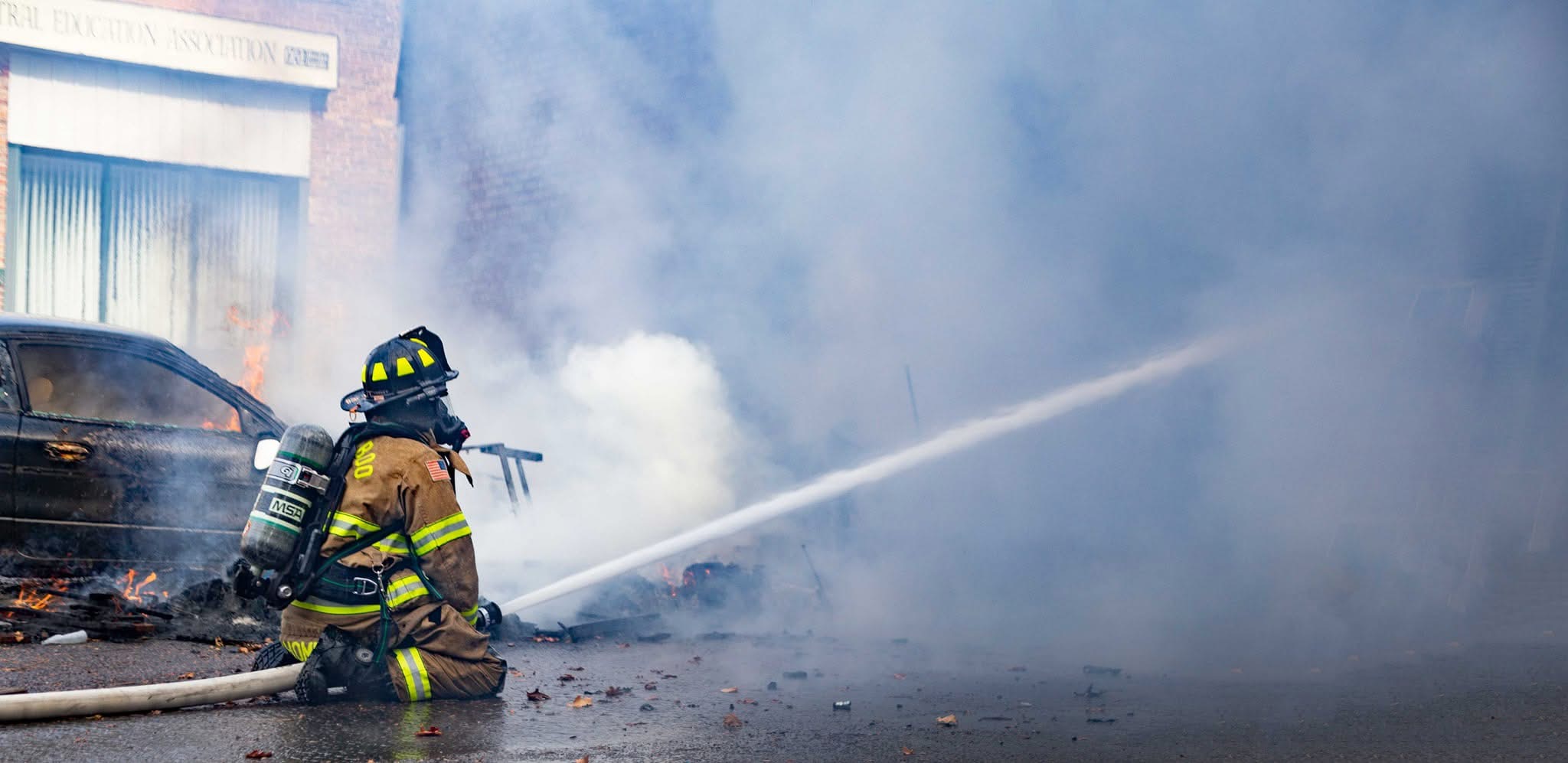
A Baraboo firefighter directing a hose stream at a vehicle fire.

Fire Response

Expect several vehicles and crews handling command, water supply, hose lines, search, ventilation, utilities, exposure protection, and firefighter safety.

Keep the area clear. Stay back and do not re-enter. Keep roads, hydrants, apparatus, hose lines, and the command area open.

We may quickly ask whether everyone is out, where the fire or smoke was first seen, and whether there are pets, fuel, oxygen, ammunition, or other hazards inside.

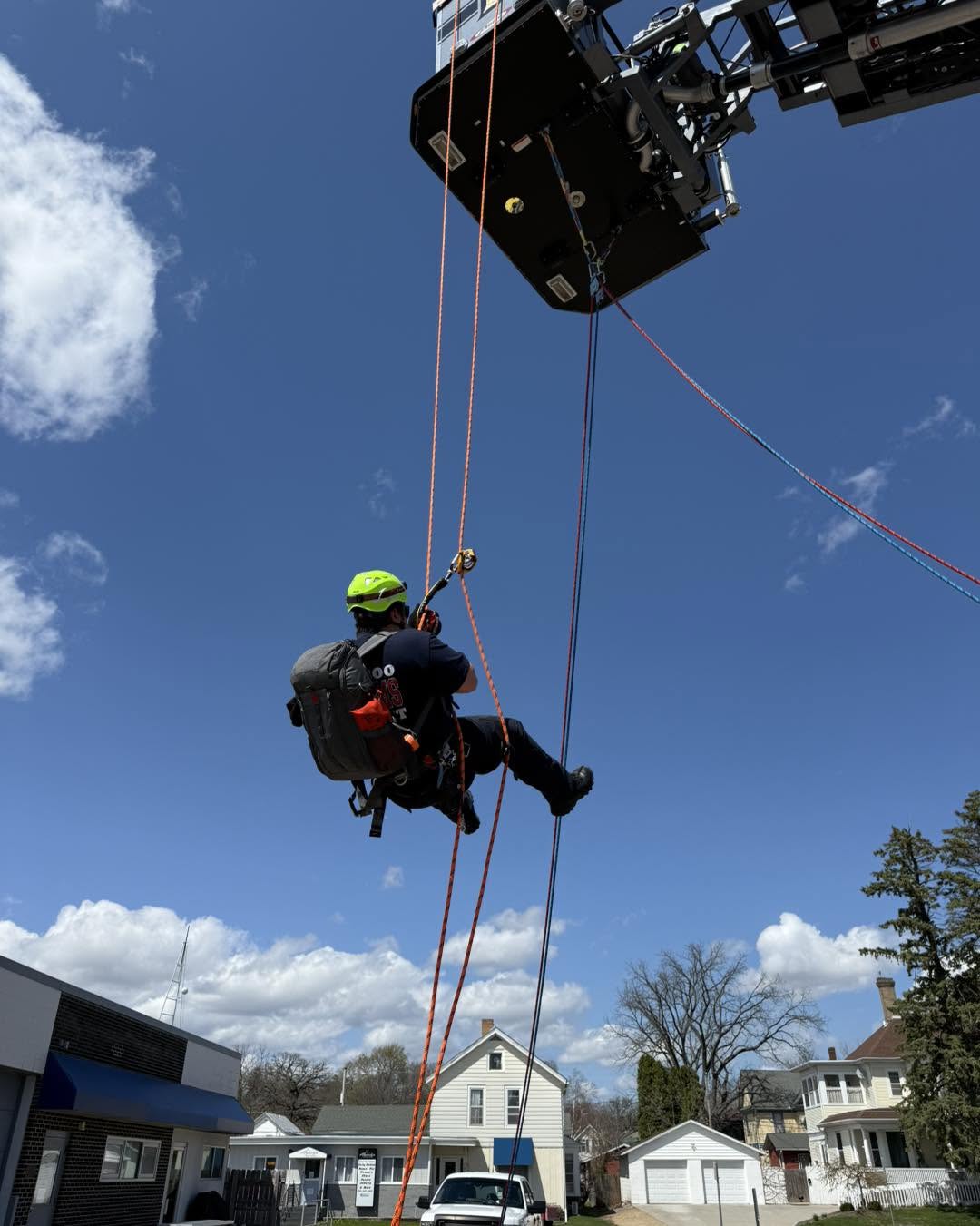
Firefighter suspended on rope during a high-angle rescue drill.

Rescue Operations

Crews first locate and stabilize the person, control immediate hazards, and build a safe path out. Technical rescues can be methodical because every movement, anchor, entry, or lifting point must be checked.

Rescue capabilities include coordinated carry-outs, water and ice rescue, vehicle extrication, confined-space and trench rescue, and difficult-terrain access.

Keep outside the safety perimeter and leave room for equipment and incoming specialty teams. Give crews known hazards, access details, and the person’s last known location, then follow their directions.

After the emergency

Recovery may involve safety instructions, follow-up care, temporary housing, insurance, cleanup, and emotional support. It is normal for needs to change after the immediate emergency is over.

After experiencing or witnessing a traumatic event

The danger may be over while your body and mind remain on alert. Strong reactions afterward are common and are not a sign of weakness.

What to do afterward

  • Move to a safe, quieter place when possible. Follow medical or discharge instructions and seek care for worsening physical symptoms
  • Slow your breathing, drink water, eat something, take prescribed medicines, and return gradually to sleep and daily routines. Make time for relaxation, leisure, or recreation, and be patient with yourself
  • Stay connected with trusted people. Talk when you are ready and accept help with transportation, meals, childcare, paperwork, or other practical needs
  • Limit repeated exposure to upsetting images and avoid using alcohol or drugs to numb reactions

What is normal

  • Feeling fear, grief, sadness, irritability, numbness, detachment, or more watchful than usual
  • Unwanted memories or nightmares, trouble concentrating, or disrupted sleep
  • Physical stress such as rapid breathing, a racing heart, headaches, stomach upset, or exhaustion
  • Children may become clingy, withdrawn, irritable, have sleep problems, or regress

When to seek help

Ask a clinician or mental health professional for help when:

  • Symptoms are intense, worsening, continue for more than a month, or are not improving over time
  • Symptoms cause great distress or interfere with daily life
  • It is hard to feel safe, return to usual routines, or cope with what happened
  • You are thinking about suicide or self-harm, or there is an immediate safety concern

Call 911 for immediate danger, a medical emergency, or an urgent safety concern.

Trauma support resources
Pediatric witness-trauma resources

Resources for caregivers and responders supporting children after they witness a frightening event.

Grief support after a loss

We are deeply sorry for your loss. Grief can feel overwhelming, and it may be hard to remember every detail discussed after EMS leaves. You are not alone, and you do not have to handle everything at once.

Do what feels right

There is no single right way to grieve. Focus on yourself and your immediate family, and accept help with ordinary tasks when you need it.

Handle immediate needs

Start with urgent needs such as notifying close family, caring for children or pets, and making a short list. Major or irreversible decisions can usually wait.

Take care of yourself

Drink water, eat what you can, rest, take a walk, listen to music, and step away from calls or messages when you need quiet.

Helping a child understand

Choose a trusted adult, a safe and quiet place, and a time when someone can stay with the child afterward. Be honest and direct: use the word “died,” share only age-appropriate details, pause for questions, and let the child lead. “I don’t know” is an acceptable answer.

When an infant or child dies

The death of a child can feel unbearable. Reach out to a trusted relative or friend, clergy member, social worker, pediatrician, local hospital, or mental health professional. The Dougy Center and National Alliance for Children’s Grief offer guidance for parents, caregivers, and siblings.

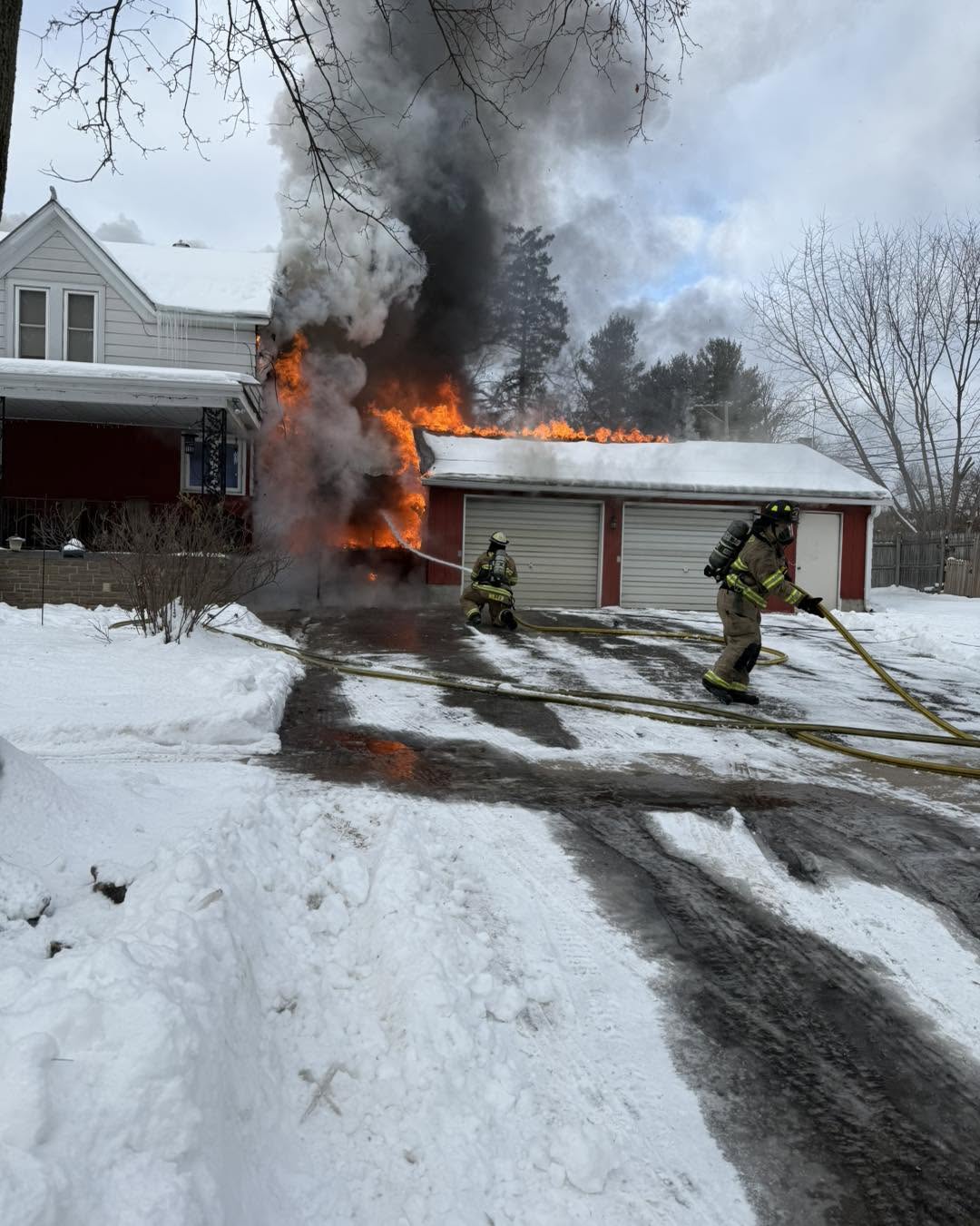
Firefighters operating at a house fire in winter conditions.

AFTER A FIRE

Your safety comes first. Recovery may take time; ask for help with immediate needs, document losses, and take care of the physical and emotional health of everyone affected.

Wait for Clearance

Do not enter until fire officials say the building is safe. Watch for structural damage, downed wiring, gas leaks, hot spots, and contaminated water. Use a flashlight—never an open flame.

Protect Your Recovery

Contact your insurer or landlord promptly. Photograph damage before cleanup, make a property list, and save receipts for lodging, food, clothing, repairs, and other fire-related expenses.

Protect Your Health

Replace medicine and discard food or drinks exposed to heat, smoke, soot, chemicals, or firefighting water. Seek medical care for injuries or smoke exposure, and remember that emotional recovery matters too.

LOCAL FIRE RECOVERY HELP

Services and eligibility can change. Call first so the organization can confirm what help is currently available.

American Red Cross of Wisconsin

24-hour disaster help with possible temporary shelter or housing, food, health and mental-health support, and recovery assistance.

800-236-8680GET HELP

211 Wisconsin

Free, confidential referrals for shelter, food, clothing, utilities, health care, transportation, and disaster aftercare.

Dial 211SEARCH RESOURCES

Sauk County Resources

County listings for emergency assistance, housing and homelessness services, mental-health care, and other family supports.

Salvation Army — Sauk County

Emergency assistance may be available through the Wisconsin and Upper Michigan service-extension program.

608-475-9040SERVICE LOCATIONS